
SportyBet Sports Betting Guide for Nigerian Punters
Discover how to join SportyBet, pay easily with local options, and bet smartly on football, basketball & more. Stay safe and win naira! ⚽💰🇳🇬
Edited By
James Olamide Ajayi
The rise of sports betting platforms like SportyBet has transformed Nigerian entertainment and created new avenues for income. However, alongside this growth, a troubling trend has emerged: the spread of exploitative content falsely linked to these sites. Such content often involves misleading messages, fake testimonies, and outright scams that claim association with trusted betting brands.
This section looks closely at the nature of this exploitative content and its impact on Nigerians and legitimate platforms. The content ranges from fraudulent videos and images to social media posts promising unrealistic winnings or exposing fabricated scandals. For example, some unscrupulous actors share fake screenshots of alleged betting wins to lure unsuspecting users into depositing money on dubious platforms.
False claims tied to respected sports betting sites damage not just individuals but also the reputation and business of genuine companies.
Impact on individuals: Victims often lose money to scams disguised under the guise of betting promotions. They may also suffer emotional distress when facing public shaming linked to false exploitative posts. This can deeply affect students, market traders, civil servants, and other Nigerians who trust credible platforms for entertainment or side income.
Effect on brands: Brands like SportyBet face trust erosion when exploitative content spreads online. Potential customers grow wary, harming user acquisition and business growth. There is also a risk that regulatory bodies may scrutinise the industry harder due to bad publicity.
Legal and ethical questions: The circulation of misleading content touches on Nigerian cybercrime laws and defamation. However, enforcement often struggles due to anonymity online and limited digital literacy among victims. A clearer understanding of these legal challenges is crucial for policymakers, law enforcement, and stakeholders.
To protect yourself and others, always verify promotions directly on official platforms. Avoid sharing unverified betting content, and report suspected scams to tech companies and legal authorities promptly.
This article will further explore how exploitative content arises, its wider implications, and practical measures to fight misinformation. Understanding these issues helps Nigerians navigate the sports betting scene safely while supporting legitimate businesses.
Keywords naturally used: sports betting platforms, exploitative content, SportyBet, Nigeria, scams, misinformation, legal challenges, cybercrime laws, Nigerian betting industry, digital literacy.
The surge of exploitative videos associated with sports betting platforms in Nigeria has become a pressing issue. These videos often spread false and damaging claims, targeting popular brands like SportyBet to grab attention. Understanding how these videos gain traction and their impact can help individuals and businesses to navigate and counteract their effects effectively.
Social media platforms such as Facebook, Twitter, Instagram, and TikTok serve as primary conduits for the rapid spread of exploitative videos. The share-and-comment culture encourages viral content, even when the material is misleading or fake. Nigerian youths, who make up a significant share of internet users, contribute to this rapid viral effect by sharing sensational content without verifying its authenticity.
Algorithms on these platforms often prioritise highly engaging content, regardless of its truthfulness. This means that a provocative video linked to a familiar betting brand can quickly gain thousands of views and shares. As a result, misleading videos become persistent online, making it difficult for genuine brands to manage their digital reputation.
Exploiting prominent sports betting platforms like Bet9ja, NairaBet, and SportyBet is a known tactic by content creators seeking clicks and views. Attaching well-known brand names draws immediate attention because many Nigerians are familiar with these platforms.
This baiting strategy capitalises on curiosity and sometimes fear, prompting viewers to watch or share quickly without assessing the content's origin. For example, a fake video falsely linking SportyBet to scandalous acts can mislead viewers and cause unwarranted damage to the brand’s image.
Youths between 18 and 30 represent a significant audience for sports betting platforms in Nigeria. Many engage in both betting and active social media use, making them a prime target for exploitative content. These videos often appeal to emotions, such as greed, jealousy, or outrage, increasing their shareability.
This focus can lead to further misinformation about betting practices, sometimes discouraging responsible behaviour or encouraging harmful stereotypes. It also risks harming the broader reputation of the online betting industry by association.
Many viewers find it challenging to distinguish between authentic promotional content from betting companies and manipulated or fabricated videos. Official ads or campaigns may be copied and twisted, or footage may be altered to appear as if it originated from the brands.
This confusion makes it difficult for the public to know which claims to trust. For instance, a video that shows a fake interview with a SportyBet representative can easily mislead viewers into thinking the platform is endorsing questionable behaviour.
False exploitative content puts reputable betting platforms under intense scrutiny. This negative association may lead to a loss of trust by current and potential customers, affecting a company’s revenue and long-term viability.
For example, when a fake video alleging unethical practices circulates, customers might avoid the platform, and partners could reconsider collaborations. Sports betting firms spend significant resources to monitor and remove such content to protect their brand value.
Misinformation from exploitative videos can spark unwarranted outrage or panic, often leading to harsh public condemnation without facts. This reaction can cause social tension, especially when the content involves accusations of immorality or criminal behaviour.
Moreover, the false narratives fuel gossip and mental stress for individuals wrongly implicated, disrupting communities and families. The cycle of misinformation undermines trust in both media and legitimate sports betting platforms, creating an atmosphere of suspicion that affects everyone involved.
Social media’s speed and reach amplify both the spread of exploitative videos and the challenge of separating fact from fiction in Nigeria’s betting environment.
By recognising how these videos operate and the myths surrounding them, Nigerians can better protect themselves and support responsible online behaviour.
The circulation of non-consensual exploitative content linked to sports betting platforms raises serious legal and ethical questions in Nigeria. This type of material not only violates individual privacy but also challenges existing laws designed to protect personal dignity. Understanding these legal frameworks and ethical implications helps stakeholders — from victims to platform operators — make informed decisions and seek appropriate remedies.
The Cybercrime (Prohibition, Prevention, etc.) Act 2015 stands as Nigeria's primary legal tool addressing offences related to digital content. It criminalises unauthorised access, interception, and distribution of private electronic information. In the context of exploitative videos falsely associated with betting platforms, this Act helps curb the circulation of such harmful content by targeting unlawful sharing and hacking activities.
Practically, victims can rely on the Cybercrime Act if their private data or videos are distributed without consent. For example, if an individual’s personal video is edited and circulated to discredit a platform like SportyBet, the law allows them to report the offence to the Nigerian Police Cybercrime Unit or the Economic and Financial Crimes Commission (EFCC).
While Nigeria does not yet have a dedicated revenge porn law, existing legal instruments like the Cybercrime Act and defamation laws indirectly offer protection. Revenge porn, the malicious sharing of intimate content, is covered under prohibitions against harassment and invasion of privacy. Defamatory content falsely linking individuals or platforms to exploitative acts can attract civil and criminal liabilities.
For instance, if fake videos damage SportyBet’s reputation by suggesting endorsement of inappropriate content, the platform can seek legal recourse for defamation. Similarly, individuals wrongly implicated suffer not just reputational harm but emotional distress, strengthening the case for legal protection.
Victims of non-consensual exploitative content have several practical steps to pursue justice. These include filing complaints with the police cyber unit, seeking court injunctions to halt further distribution, and demanding damages for emotional and reputational harm. Courts in Nigeria have become more receptive to digital privacy concerns, granting interim orders to remove harmful online content.
Moreover, victims can engage legal counsel specialising in cyber law to navigate procedures and push for enforcement against offenders. While challenges remain in enforcement speed and coverage, these options provide victims a structured path to reclaim dignity and privacy.
Non-consensual content often leads to victim shaming, worsening mental health conditions such as anxiety and depression. In Nigeria’s social context, where reputation and family honour are highly valued, being wrongly linked to exploitative videos can trigger social ostracism and personal trauma.
The psychological toll can manifest in withdrawal from community life and loss of personal confidence. Families may also suffer from stigma, deepening the emotional strain. Addressing these ethical concerns requires sensitivity from the public and media, avoiding speculative or accusatory narratives.
Beyond individual victims, exploitative content harms families and broader communities. For example, a false association with a popular betting brand can incite distrust in the platform and fuel negative stereotypes around betting culture in Nigeria.
Families may experience pressure and shame, impacting social relations and even economic opportunities. Communities could also face increased tensions fueled by misinformation, making it harder to foster responsible digital citizenship.
Online platforms where such videos circulate bear ethical duties to prevent harm. Platforms like Facebook, Twitter, and Nigerian social media outlets must enforce content policies to detect and remove exploitative and fake content swiftly.
Sports betting companies should collaborate with these platforms and law enforcement to monitor mentions and flag harmful videos. Ethically, platforms hold power to limit misinformation spread and protect users’ dignity by acting decisively against non-consensual content.
The battle against exploitative videos linked to betting platforms is not just legal but moral. Protecting individuals’ privacy and standing against misinformation strengthens societal trust and digital safety in Nigeria.
In summary, Nigeria's legal framework offers tools to address the unauthorized circulation of exploitative videos, while the ethical dimension underscores the need for respectful, informed engagement from all parties involved.
Sports betting platforms in Nigeria face a growing challenge with exploitative content falsely linked to their brands circulating online. Such content not only tarnishes reputation but can also mislead customers and harm innocent parties. Therefore, how these platforms respond is critical in safeguarding their image, protecting users, and combating misinformation.
Betting companies actively track social media, websites, and messaging apps to spot any defamatory or fake videos associated with their platform. Using digital tools and manual checks, they scan for brand mentions that appear suspicious. For instance, SportyBet and Bet9ja have reportedly employed media monitoring software to quickly detect harmful content. This allows immediate action before the false material gains widespread attention.
Once harmful content surfaces, firms work to have it removed swiftly through formal complaints to platforms like Facebook, Twitter, or TikTok. They also issue cease-and-desist notices to websites hosting or sharing such videos. This process helps limit damage and confusion, ensuring prospective and current customers do not fall for scams or defamatory materials. Prompt takedowns are essential to prevent lasting reputational harm.
Sports betting platforms cooperate with social media companies to flag and remove exploitative content efficiently. They also liaise with regulatory bodies and law enforcement, such as the Nigerian Communications Commission (NCC) or EFCC, to pursue legal actions against those creating or distributing defamatory materials. Such partnerships strengthen the fight against misinformation and protect customers from fraud and character attacks.
Platforms ensure customers know where to find genuine updates and promotions through verified websites, official social media handles, and trusted apps. Clear communication helps reduce confusion caused by fake videos. For example, they may run awareness campaigns alerting users to differences between authentic and fake content, directing users only to verified sources for information.
Betting companies strongly advise customers and the public to avoid sharing unverified videos or messages that could damage reputations or spread falsehoods. They stress the risks of engaging with misleading materials and encourage critical checking before reacting. This approach not only protects their brand but promotes a responsible digital culture among Nigerian youths, a core demographic.
Beyond handling fake content, platforms promote responsible betting through educational programmes and messaging. This includes advice against chasing losses, recognising addiction signs, and understanding platform terms. By fostering transparency and good practices, companies build trust and reduce the likelihood of customers falling victim to exploitative schemes or misinformation.
Betting platforms that act decisively and educate users help shield their brand and customers from the harmful effects of exploitative videos, strengthening trust in Nigeria’s growing sports betting market.
This combined strategy—watching for threats, removing harmful material, collaborating for enforcement, and educating users—is vital in managing the risks posed by exploitative content linked to Nigerian sports betting platforms.
The surge in exploitative and fake videos linked to sports betting platforms calls for heightened vigilance. Protecting yourself starts with understanding how to distinguish genuine content from manipulative material. This is especially relevant in Nigeria, where misinformation can spread swiftly via social media, affecting reputations and causing real harm.
Verifying sources before sharing is a key first step. Before you forward any video, confirm where it originated. Official betting platforms like SportyBet or BetKing often communicate through verified social media accounts and official websites. If you come across a video shared by an unknown page or suspicious handle, pause to investigate. Many fake videos are circulated by accounts aiming for clicks, not truth. For instance, a manipulated clip bearing a big brand's logo but posted from a random, recently created profile should raise immediate red flags.
Spotting signs of deepfakes or edited videos is vital in today's digital age. Unlike simple edits, deepfakes employ AI to alter faces, voices, and movements convincingly. In Nigeria, fake videos may show a well-known public figure endorsing a betting site or engaging in scandalous behaviour to bait the audience. Watch out for unnatural facial expressions, mismatched audio, or distortions around the eyes and mouth — these often betray deepfake attempts. Such videos can mislead viewers badly, undermining both individuals and the betting companies involved.
Understanding motives behind such content helps you stay cautious. These videos often aim to damage reputations, ignite public outrage, or manipulate behaviours. For example, content falsely connecting a popular betting platform to disrepute may be used by competing sites to divert customers or by scammers to collect personal information under false pretences. Recognising the agenda behind the content empowers you to respond thoughtfully rather than react impulsively.
Reporting to social media platforms and authorities is an effective way to curb the spread. Platforms like Facebook and Twitter have dedicated reporting tools for fake or harmful content. When you spot exploitative videos, use these to flag the content for review. On a larger scale, Nigerian law enforcement and the Cybercrime Unit can intervene when videos breach privacy or defamation laws. Prompt reporting limits damage and signals there is public intolerance for such abuse.
Protecting personal information online cannot be overemphasised. Many exploitative schemes begin by harvesting data from social media profiles. Avoid oversharing private details like your address, school, or phone number, especially on public platforms. Use strong, unique passwords and enable two-factor authentication where possible. In Nigeria, where online scams and identity theft are common, safeguarding your digital footprint is a form of self-defence.
Supporting victims with empathy and discretion promotes healing and reduces stigma. If you know someone targeted by fake exploitative content, avoid public speculation or sharing the material further. Instead, offer support privately and encourage them to seek legal or psychological assistance. Public shaming worsens harm and discourages victims from speaking up. A considerate approach helps build a community resilient to these attacks.
The best defence against exploitative and fake videos linked to sports betting platforms lies in informed awareness, cautious engagement, and collective action. By verifying, reporting, and supporting victims, we create a safer online space for everyone.
Employ these insights to navigate the digital space wisely and help protect your reputation and that of others amid the challenge of exploitative content.
Discover how to join SportyBet, pay easily with local options, and bet smartly on football, basketball & more. Stay safe and win naira! ⚽💰🇳🇬
Discover SportyBet's smooth Nigerian platform for football, basketball & more ⚽🏀. Easy registration, secure payments, mobile-friendly app & great customer care 🤑
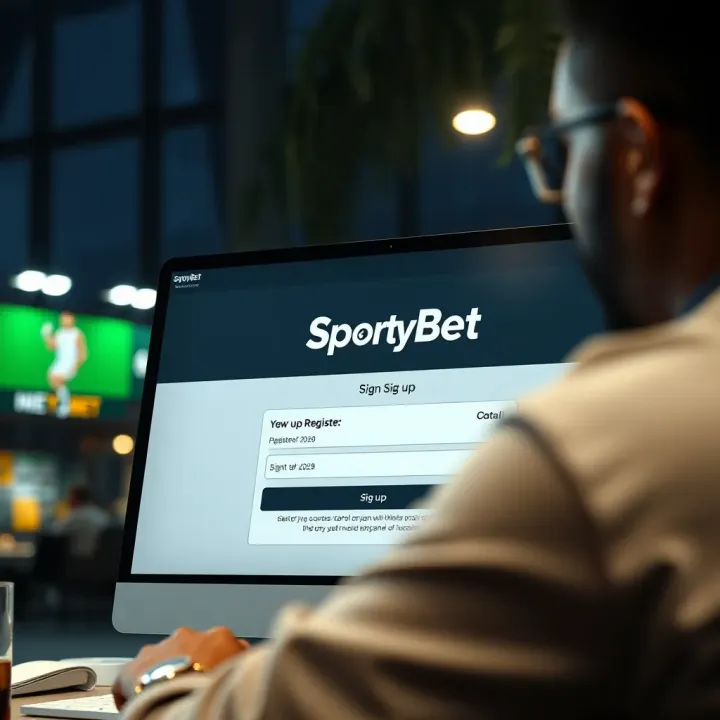
🏉 Discover SportyBet's rugby betting in Nigeria: learn how to place bets, explore rugby types, smart strategies, bankroll tips & secure online play! ₦
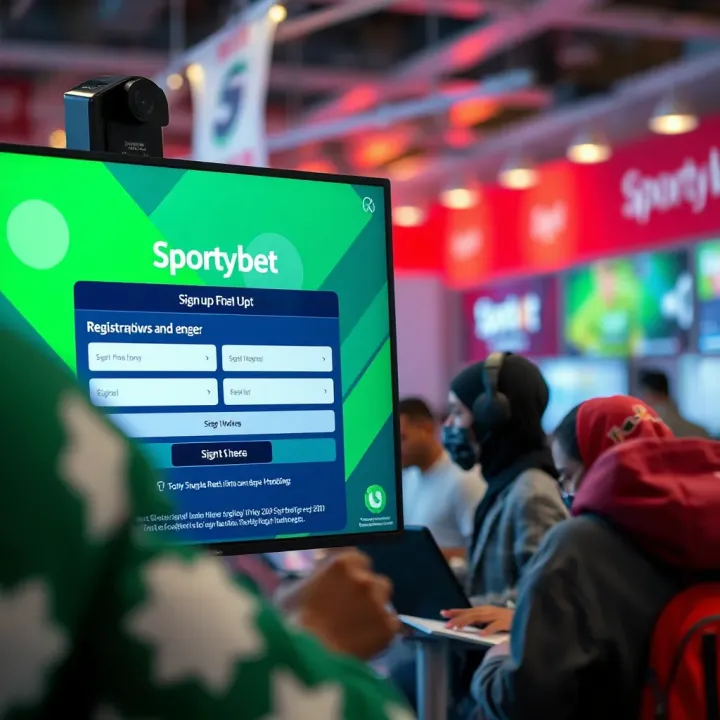
🏆 Discover how SportyBet makes online sports betting easy and exciting in Cameroon 🇨🇲. Learn about registration, bet options, payments, laws, and winning tips 💰
Based on 9 reviews